Showing posts with label vegetable. Show all posts

Monday, September 09, 2024

Health Benefits of Leeks: Anti-Inflammatory, Anti-Diabetic, and Anticancer Properties

Leeks are a highly nutritious vegetable, rich in flavonoids, which are powerful antioxidants known for offering a wide range of health benefits. One of the primary flavonoids present in leeks is kaempferol, which has been extensively studied for its anti-inflammatory, anti-diabetic, and anticancer properties. These benefits make leeks not only a versatile ingredient in cooking but also a valuable component in disease prevention.

Anti-inflammatory Properties: Flavonoids like kaempferol found in leeks play a crucial role in combating inflammation. They do this by inhibiting the production of pro-inflammatory cytokines and enzymes, which are molecules that contribute to inflammation in the body. This mechanism is particularly beneficial for individuals suffering from chronic inflammatory conditions such as arthritis. Chronic inflammation can cause pain and limit joint function. However, by reducing this inflammation, the flavonoids in leeks can alleviate pain, reduce swelling, and improve joint mobility. This natural anti-inflammatory action is a significant advantage for people seeking to manage arthritis or similar inflammatory diseases without relying heavily on medication.

Anti-diabetic Properties: Leeks are also beneficial for people dealing with or at risk of developing diabetes. The flavonoids they contain help regulate blood sugar levels by enhancing insulin sensitivity. Insulin resistance is a major cause of type 2 diabetes, and improving the body's sensitivity to insulin helps control blood sugar levels more effectively. Additionally, flavonoids help to reduce oxidative stress, which is a significant factor in the onset and progression of diabetes. By lowering oxidative stress, flavonoids can improve overall metabolic health and play a preventative role in managing type 2 diabetes.

Anticancer Properties: Leeks are a valuable food for cancer prevention due to their antioxidant properties. The antioxidants in leeks help to protect cells from oxidative damage, a process that can lead to the development of cancer. Kaempferol, in particular, has been found to inhibit the growth of cancer cells and trigger apoptosis, or programmed cell death, in several cancer types, including breast, ovarian, and colon cancer. This makes leeks a beneficial addition to a diet aimed at reducing the risk of cancer.

In addition to these benefits, leeks are low in calories and high in essential vitamins and minerals such as vitamin K, vitamin C, and manganese, contributing to overall health. By incorporating leeks into a balanced diet, individuals can enjoy a flavorful and health-boosting ingredient that helps protect against various chronic diseases.
Health Benefits of Leeks: Anti-Inflammatory, Anti-Diabetic, and Anticancer Properties

Monday, January 17, 2022

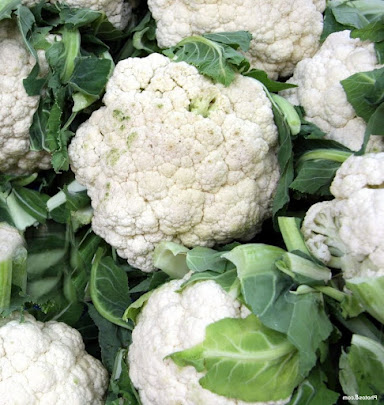
Cauliflower vegetable

Cauliflower is a vegetable that belongs to the Cabbage family, which is also the Brassicaceae family or Cruciferae. Its scientific name is Brassica oleracea var. botrytis.

The name of cauliflower has originated from the Latin words ‘Caulis’ and ‘Floris’ which means stem and flower, respectively. Cauliflower is thought to be domesticated in the Mediterranean region. It has been an important vegetable in Turkey and Italy since at least 600 BC. It gained popularity in France in the mid-16th century and was subsequently cultivated in Northern Europe and the British Isles.

Cauliflower is a biennial and frost tolerant vegetable with compact heads of immature or aborted flowers contracted into a single head. Its heads are usually white but can also be yellow or purple.

The flowers are attached to a central stalk. Seeds are head shaped. The head of a cauliflower, also called a “curd,” is a group of tightly packed flower buds that have not fully developed. The buds are attached to fleshy stalks where most of the nutrients for their growth are stored. Surrounding the curd are ribbed, coarse green leaves that protect it from sunlight, impeding the development of chlorophyll.

Cauliflower seedlings are used for salad and green. The curd is used in curries, soups, and pickles. In abundant areas of production, cauliflower curd is cut in to pieces, dried and preserved for off-season use. It is generally used as cooked vegetable either singly or mixed with potato as fried or in curry form. Grated cauliflower is used to prepare stuffed parathas. It is also used in preparation of pickle with other vegetables.

It has high quality of proteins and peculiar in stability of vitamin C after cooking. One cup of boiled cauliflower is an excellent source of vitamin C (91.5% of the DV), folate (13.6% of the DV), and dietary fiber (13.4% of the DV). That same amount of cauliflower also serves as a very good source of vitamin B5, vitamin B6, manganese and omega-3 fatty acids.

The therapeutic effect of cauliflower has been well documented. The inflorescence extract has been used in the treatment of scurvy, as a blood purifier and as an antacid. Consumption of cauliflower is known to reduce the risk of a number of cancers, such as lung, colon, breast, ovarian and bladder cancer. Recent research from University of Hawaii reveals that crucifers like cauliflower also provide important cardiovascular benefits.
Cauliflower vegetable

Monday, November 02, 2020

Vegetable Capsicum

Capsicum (Capsicum spp.), also called as pepper, is the second-most consumed vegetable worldwide and this spice crop originated in the American tropics. Today capsicum cultivated all over the world for fresh, dried, and processing products.

Plant of genus Capsicum is part of the large Solanaceae family, which, among the more than 90 genera and 2500 species of flowering plants, includes commercially important vegetables such as tomato, potato, and eggplant. Capsicum species are used all over the world as spices, but also in traditional medicine to prevent or nurse some gastric ulcers, rheumatisms, toothache and diabetes.

Capsicum can be eaten raw in salads or cooked in food seasonings. In various processed products paprika, paprika oleoresin, red pepper oleoresin, and dried chili may all serve as an important source of red color, but paprika and paprika oleoresins are the primary source of red color.

The main source of pungency in peppers is due to the presence of capsaicinoids. Alkaloid compounds of capsaicinoids are secondary metabolites and derivatives of phenylpropanoids produced in placental epidermis cells and accumulated in structures (blisters) located on the placenta surface.

There are two important compounds Capsaicin and dihydrocapsaicin which accounting for almost 90% of total capsaicinoids. Capsaicinoids properties include: anti-inflammatory, anticancer, and anti-obesity activities.

Pepper is a source of vitamins, carotenoids and flavonoids, which have antioxidant properties. Peppers are high in vitamin A, vitamin E, and potassium, phosphorus and low in sodium. One hundred grams of fresh red chili pepper has 240 mg of vitamin C (five times higher than an orange), 11,000 IU of vitamin A, and 0.7 mg of vitamin E.
Vegetable Capsicum

Friday, July 03, 2020

Turnip vegetable

The scientific classification for the plant is either Brassica rapa or Brassica campestris. The word turnip is a compound of tur- as in turned/rounded on a lathe and neep, derived from Latin napus, the word for the plant.

A turnip is larger than a radish and is a well-known food source for both the root and greens. Turnips come in all shapes, sizes, and colors.

Turnips are high in vitamin C and fiber, have beta-carotene, vitamin E, and folate, and are a very good source of potassium. 100 grams of turnip roots provides 2-grams dietary fiber, 0.1-gram fat, 6.7 grams carbohydrate, 0.6 gram protein, 1.1 milligrams riboflavin, 0.4 milligram thiamine, 0.08 milligram Vit. B6, 16 milligrams Vit. C, 20 micrograms folate, 50 milligrams calcium, phosphorous and iron, 8 milligrams magnesium, 280 milligrams potassium and 18 milligrams sodium.

The root of the turnip is where the Vitamin C, potassium, and fiber are found. The greens have vitamins A and K in addition to the Vitamin C, folate, and beta-carotene, lutein, and zeaxanthin, which are common antioxidants. Lutein and zeaxinthin have “shown promise in helping combat the eye conditions of macular degeneration and cataracts”.

A bitter taste, particular sulphurous aroma and pungent flavor are the characteristics of turnips. Likewise, numerous secondary metabolites such as phenolic acid in turnip tops and glucosinolates in turnip greens have been significantly correlating with the flavor and texture. The amount and pattern of the glucosinolates and volatiles in Brassica plants vary according to the plant species, cultivar and vegetable part, as well as to the developmental stage of the plant.

Turnip grows best in a well-drained moderately deep loam, fertile and slightly acid soil. For good root growth, turnip needs a loose, well-aerated soil having a pH range of 5.5-7.0. Turnip does not grow well in soils that have a high clay texture.
Turnip vegetable

Friday, November 24, 2017

Nutritional benefits of fruit and vegetables

Fruit and vegetables are brimming with fiber, plus a whole range of vitamins and minerals, and because they're low in calories, they make an important and healthy addition to any diet. "Eat your fruits and vegetables" is one of the tried and true recommendations for a healthy diet, and for good reason.

Eating plenty of fruits and vegetables can help you ward off heart disease and stroke, control blood pressure and cholesterol, prevent some types of cancer, avoid a painful intestinal ailment called diverticulitis, and guard against cataract and macular degeneration, two common causes of vision loss. People all over the world are becoming more and more aware of how important fruit nutrition and vegetable nutrition is to stay healthy.

In general, yellow and dark green vegetables are excellent sources of vitamin A. Green leafy vegetables are rich in calcium, iron, magnesium, vitamin C and many of the B vitamins.

The greener the leaf, the richer the nutrients will be. Here are some suggestions to think about color to pack nutritional power in your diet: · White: Eat cauliflower more often than potatoes, onions and mushrooms.· Green: Add more dark lettuces, such as romaine and red leaf lettuce, spinach, broccoli and Brussels sprouts to replace iceberg lettuce and green beans. · Yellow-orange: Substitute more carrots, winter squashes, sweet potatoes, cantaloupe, oranges and grapefruit for corn or bananas. · Red: Select tomatoes, red peppers and strawberries in favor of apples. If you are trying to watch your weight, an idea is to make sure you are not eating too many calories if you are adding these foods to your diet.

Increasing the amounts of fruits and vegetables you eat can promote weight control, but only if they replace higher fat foods like ice cream, meat and chips to help you consume fewer calories. But if fruits and vegetables are simply added to what you already eat, total calories won't significantly drop and weight loss should not be expected. The most important thing to do is to vary the fruit and vegetables that you eat from day to day. This is to give your body a variety but to also keep you interested in your food. There are always great new recipes, ideas and ways to make your food look and taste great!
Nutritional benefits of fruit and vegetables

Tuesday, March 21, 2017

Phenolic compounds in vegetables

Among food products that are rich sources of phenolic compounds, fruit and vegetables. Polyphenols are subdivided into several major subclasses: phenolic acids, stilbenes, tannins, diferuloylmethanes and flavonoids.

Many previous studies have shown that vegetables are composed of many non-nutritive substances including polyphenol compounds which are beneficial to humans.

Cherry tomatoes contained 17−203 μg of quercetin (a type of flavonoid) g-1 fresh weight compared to 2.2−11 μg g-1 detected in normal-sized Scottish, Spanish, and Dutch beef tomatoes. The quercetin levels in onions ranged from 185 to 634 μg of quercetin g-1 fresh weight. “Round” lettuce contained 11 μg of quercetin g-1 fresh weight compared to 911 μg g-1 in the outer leaves and 450 mg g-1 in the inner leaves of “Lollo Rosso” lettuce (J. Agric. Food Chem., 1997, 45 (3), pp 590–595).

In general, the flavonoids group dominate among vegetable polyphenols and it was found that flavonoids share in total content of polyphenols in vegetables was in range of 51-79%.

Japanese and Chinese folk medicines frequently used plants rich in vegetable tannins (or polyphenols) which are regarded as the active principles of herbal remedies.

They have been employed in the treatment of inflammation, liver injury, problems of the kidney, arteriosclerosis, blood pressure, hypertension, nervous and hormonal problems, stomach disorders, ulcers and to inhibit mucous secretions and so forth.
Phenolic compounds in vegetables

Sunday, January 22, 2017

Anthocyanin rich vegetables

Anthocyanin is the red, blue-red, blue or purple pigment in vegetables such as red cabbage, red plums and rhubarb. It is also available in fruits such as blueberries, cherries and raspberries.

It is prevalent in buds and young shoots and is an underlying pigments of chlorophyll, that becomes apparent as a purplish pigment in autumn leaves when chlorophyll decomposes.

The color of the anthocyanins in these foods is affected by several factors including changes in pH that may occur during simmering.

Most studies on the effect of the initial processing operation on the anthocyanin ‘Lollo Rosso’ lettuce have found no significant changes. The anthocyanins of the vegetables in human diet have considerably more complex glycosyl moieties than those of the fruits.

The ‘average’ anthocyanin made from the 51 major anthocyanins occurring in vegetables has a molecular weight of 887.2 amu and consists of the anthocyanidin, 2.7 monosaccharide units and 0.9 aromatic acyl group
Anthocyanin rich vegetables

Tuesday, April 19, 2016

Pigments in vegetable

Green vegetables contain the green pigment chlorophyll which plays a key role in transferring light energy to chemical energy during growth and development of the plant by the prices of photosynthesis. Examples of such green vegetables include spinach, peas, beans, cabbage lettuce and celery.

Although chlorophyll does not appear to be useful in human physiology, foods that are high in chlorophyl are usually also high in B-carotene.

There are two types of chlorophyll and each produces a specific colour in green plants. Chlorophyll A is blue-green, whereas the more common chlorophyl B is green. Their chemical compounds differ in colour because of their different structures - chlorophyl a has a methyl group (-CH2) attached to one of the carbons on the chlorophyl molecule, whereas chlorophyl B has an aldehyde group (-CHO).

Destruction of chlorophyl increases with cooking time. Chlorophyll A is more readily converted to pheophytin than chlorophyll B. Green vegetables should be cooked for a very short time, less than minuets to retain the colour.

Vegetables like peas, beans, greens are sometimes canned. During canning chlorophyl gets converted to pheophytin due to the high temperatures used. Sometimes for stain the colour and to neutralise the acid, alkali is added.
Pigments in vegetable

Saturday, February 27, 2016

Lutein and Zeaxanthin in fruit and vegetable

Lutein and zeaxanthin carotenoids are less common than their better-known relative, B-carotene, but they appear to offer more and greater benefits to the body. Lutein and zeaxanthin have been identified as the xanthophylls that constitute the macular pigment of the human retina.

Lutein and zeaxanthin are found in the lens and are thought to protect cells in the eye against oxidative damage and consequently present formation of cataracts.

Lutein and zeaxanthin may protect the cardiovascular system and maintain normal cell differentiation in the tissues of the breast, cervix, colon and skin.

Lutein is a common carotenoid found in most fruit and vegetables, while zeaxanthin in the (R,R)-isomer form is present only in minute quantities in most fruits and vegetables.

Among commonly consumed vegetables and fruits, dark green leafy vegetables are the most important sources of lutein.

Dietary sources of zeaxanthin are limited to greens, certain yellow/orange fruit and vegetables such as corn, nectarine, oranges, papaya, persimmon and squash. Red peppers are good sources of zeaxanthin although it represents less than 15% of total carotenoid content.

Sea buckthorn, a berry fruit native to Asia also contains high amount of zeaxanthin representing 82 to 86% of the total of main carotenoid in some cultivars of this berry.
Lutein and Zeaxanthin in fruit and vegetable 

Friday, October 02, 2015

Definition of Vegetable

A commonly given definition is that a vegetable is a crop used to make vegetable salad. Vegetables are plants foods that include various edible parts such as leaves, shoots, roots, tubes, flower, and stems.

They normally do not include fruit. However, tomatoes and olives which are technically fruit, are include as vegetable , because of their culinary role is related more to vegetables than the fruits, for example , a garden salad almost includes tomatoes and sometimes olives, but it never includes any other fruits.

Vegetables are a horticultural crop. Other horticultural food crops include small fruits and tree fruits, which are usually grown as perennials. Vegetable crops may be either annuals or perennials.

Vegetables belong to important class of foods that supply us with many nutritive requirements, including proteins, starches, fats, minerals, sugars, and vitamins.

Vegetables also supply bulk to the diets well as a large variety of flavor and odors that provide the knowledgeable chef with a repertoire of culinary tricks. On a world basis, vegetable make up a considerable crop being consumed in the fresh state.

Vegetable crops can be classified into 3 main groups according to the plant part that is most commonly eaten.
*Fruit and seed vegetable
*Leaf and stem vegetable
*Root and tuber vegetable
Definition of Vegetable

Tuesday, September 08, 2015

Chickweed juice

Chickweed – called Alsine or Stellaria media, a floral star of middle magnitude – belongs to the Clove-pink order of plants,  and despite the most severe weather, grows all the year round.

The juice is easily obtained by bruising the fresh herbs, which are very juicy, in a mortar; this being done put the mass into a muslin bag and press the juice out.

A large quantity of chickweed is not necessarily to obtain a moderate amount of juice. The juice must be cooked with honey over a gentle fire keeping it well stirred so that the steam mounts up.

The juice of chickweed, as proved medicinally in 1893, produced sharp rheumatic pains and stitches in the head and eyes, with a general feeling of being bruised; also pressure about the liver and soreness there, with sensations of burning, and of bilious indigestion.

The small doses of tincture, or fresh juice, or infusion, has been found by its affinity to remove the train of symptoms just described, and to act most reliably in curing obstinate rheumatism allied therewith.

Chickweed is an excellent salad green that can be gathered in great quantities when found in the right habitats, In terms of both flavor and texture fresh young chickweed greens will please just about everyone who eats them.
Chickweed juice 

Wednesday, July 16, 2014

Phytochemicals in vegetables

Vegetables are important components of human diet, providing not only a broad range of nutrients such as essential vitamins and minerals but also a rich source of bioactive phytochemicals.

Phytochemicals present in vegetables are very diverse, such as ascorbic acid carotenoids and phenolic compounds. Phytochemicals provide protection against bacterial viral and fungal infection; ward off insects and prevent tissue damage due to oxidation.

Some act as plant hormones or participate in the regulation of gene function, while others provide plants with flavor and color.

Naturally occurring compounds such as phytochemicals, which possess anti-carcinogenic and other beneficial properties, are referred to as chemo-preventers.

Although thousands of biological active substances in plants have been identified, knowledge of their effects on human health is currently known for only a small number of them.

Phytochemicals are categorized into different groups according to their chemical structures (e.g. polyphenols, carotenoids, organo-sulfur compounds, alkaloids and N-containing compounds).

The climate, season, temperature and rainfall, as well as cultural practices, processing techniques and storage conditions are all important factors affecting phytochemical content in vegetables and related food products.

Example of phytochemicals in vegetables:
*Allicin – in chives, garlic, leeks onions
*Curcumin – in turmeric
*Indoles – in cruciferous vegetables such as broccoli, Brussels sprouts, cabbage, cauliflower
*Isothiocyanates - in cruciferous vegetables such as broccoli, Brussels sprouts, cabbage, cauliflower
*Saponins – in alfalfa sprouts, green vegetables, tomatoes
Phytochemicals in vegetables

Monday, January 06, 2014

The nutrition of vegetables

Normally, vegetables include the leafy vegetables such as spinach, lettuce and cabbage; the stem vegetables such as celery and asparagus; the roots and tubers, of which beets, turnips, carrots and potatoes; flower vegetable such as broccoli and cauliflower; seeds and seeds pods which includes beans and peas. 

Vegetables can be considered as chemical reagents that are essential to improve human nutrition and health with various phytochemical and different bioactivities.

Vegetables provide excellent sources of nutrients such as protein, vitamin and minerals, and fiber as well as non-nutrient phytochemicals such as sulfur-containing compounds.

The nutrient content of vegetables can be influenced by various factors such as genetic and agronomic factors, maturity and harvesting methods and postharvest handling procedures.

Vegetable are a rich source of essential micronutrients especially, vitamins, iron and calcium and generally have high fiber content.

Vitamin C is one of the most important vitamins in vegetable for human nutrition. More than 90% of the vitamin C in human diets is supplied by the intake of fresh vegetables.

There is consistent evidence, primarily from epidemiology, that duets high in vegetables can decrease the burden of chronic disease with the evidence for reduced risk of many cancers being particularly strong.

The evidence that such diet decrease the risk of mouth and pharyngeal, esophageal, lung, stomach and colon cancers is convincing.

Eat more vegetable actually deceases the appetite for fatty foods, which themselves increase the risk of cancer.

Vegetables contain natural agents that block carcinogens. Vegetables that are most important to reducing the risk of cancer are the cruciferous vegetables: broccoli cabbage, Brussels sprouts, mustard greens, kale and cauliflower.
The nutrition of vegetables

Monday, February 01, 2010

The Term of Vegetable

The Term of Vegetable
The term ‘vegetable’ in its broadest sense refers to any kind of plant life or plant product; it usually refers to the fresh edible portion of an herbaceous plant consumed either raw or cooked.

The edible portion may be a root like a rutabaga, beet, carrot and sweet potato; a tuber or storage stem such as potato and taro, the stem as in asparagus and kohrabi, a bud such as Brussels sprouts; a bulb such as onion and garlic a petiole or leafstock like celery and rhubarb; a leaf such as cabbage, lettuce, parsley, spinach and chive; an immature flower like cauliflower, broccoli and artichoke; a seed like pea and Lima beans; the immature fruit like brinjal (egg-plant), cucumber and sweet corn (maize) or the mature fruit like tomato and chili.

Those plants or plant parts that are usually consumed with the main course of a meal are popularly regarded as vegetables while those mainly used as desserts are considered fruits.

Actually cooked vegetables constitute our principle meals whole fruit are consumed as desserts.

Thus cucumber and tomato are botanically fruits but they are mainly vegetables.
The Term of Vegetable

Monday, December 14, 2009

Medicinal Qualities of Vegetables Juice

Medicinal Qualities of Vegetables Juice
Many vegetables have scientifically proven medicinal qualities.

So far studies have been documented the medical effects of fruit juices, with very little research applied to vegetable juices.

Experts from US recommended the following juice remedies:

Beet
Beet greens are rich in magnesium, beta carotene and vitamin C and E.

Beetroot is rich in potassium, folic acid and the antioxidant glutathione. Beet juice is valued for its vitamins, mineral and nutrient content.

Due to its strong tastes, it should be mixed with other juices.

Cabbage
Cabbage juice is famous for its ulcer healing capabilities, but should be used only in conduction with a doctor’s prescribed therapy for ulcer treatment.

Carrot juice
Carrot juice is an excellent source of beta carotene, potassium, trace mineral and antioxidants.

Yellowish coloration of the skin may occur when large amounts are consumed. This coloration is harmless and will fade when consumption is reduced.

Celery
Celery juice contains antioxidants potassium and sodium and helps lower blood pressure and used as a sports drink to replace fluid and mineral loss due to sweating.

It contains the same ulcer healing factors found in cabbage juice.

Garlic
This herb is a treasure house of healing compounds. It acts as a natural antibiotic and blood thinner and can reduce cholesterol levels. Juice a clove and add to favorite vegetable juice mix.

Ginger
The root of the ginger plant has anti-inflammatory properties and will also protect the stomach from initiation caused by non-steroidal, anti- inflammatory drugs such as aspirin.

Migraines and motion sickness can also be relieved with ginger juice.
Medicinal Qualities of Vegetables Juice

Saturday, April 04, 2009

Cabbage and Cabbage Sprout Juice

Cabbage and Cabbage Sprout Juice
Green and red cabbage and members of the cabbage family, such as Brussels sprouts, Chinese cabbage collard greens, kale green and so 0n, are highly cleansing due to their concentration of vitamins B-6 and C (and large stores of vitamin A and calcium in kale and collard greens), and minerals including chlorine, iodine, potassium and sulfur.

Cabbage was considered to be tonic and rejuvenator by the ancient Greeks who also used it as a cure for baldness.

Cabbage juice is an effective laxative and skin food as well as an effective healing agent for intestinal ulcers.

Scientists believe the active ingredient in cabbage juice that helps heal ulcers is vitamin U.

As wonderful and valuable a cleanser and healer cabbage juice is, it may produce gas in some people.

The sulfur in cabbage juice can react with bacteria in the intestine, causing mild intestinal cramping and gas.

If experience these symptoms after drinking cabbage juc9e, try reducing the amount by diluting it with other juice or spring water.

Also cabbage sprout juice can be tried rather than whole cabbage juice.

Cabbage sprouts from red, green or Chinese cabbage seed make an equally good juice especially when mixed with other vegetable juices.
Cabbage and Cabbage Sprout Juice

Sunday, February 08, 2009

Garlic Juice

Garlic Juice
The garlic juice is almost impossibly to drink though, resulting in sweating and an immune system response directed at live garlic cells in the juice.

What is happening is that the live garlic is very strong so the body has a battle digesting the fresh garlic juice. Even so, this has a net positive effect if one can endure it.

Digesting cleansing does involve frequent and less than solid bowel movements, plus bloating.

Bloating is often part of the healing process as the immune system goes to work. It does take months to repair decades of poor diet and less than optimum health.

Understanding that this is a necessary part of the healing process prevents people from giving up and not recognizing progress.

A flat stomach and an ability consume cleansing vegetables plus energized water without any result other than great health and vitality, is the end goal.

Anyone who looks old has a digestive system that needs major repair. Every part of the body regenerates and is capable of healing over time. The digestive system cells, especially the inner wall of the digestive track, regenerate most frequently.

Other than that, garlic acts well against cataract, particularly in smokers and for colds. Like onion juice, one dessertspoonful of garlic in half a pint of warm water is a recognized remedy for worms in children.

One suspects that children in Mediterranean countries must be well protected against worms, and statistics show that their parents have a lower incidence of heart disease than most Europeans, all of which helps to confirm the therapeutic value of this bulb.

Garlic juice has been used beneficially for many conditions including tuberculosis, entercolitis and amoebic dysentery. It is an expectorant as well as assisting asthma and bronchitis.
Garlic Juice

Tuesday, December 23, 2008

Tomato Juice

Tomato Juice
Uncooked, fresh squeezed tomato juice tastes and looks quite different from its salted, cooked, and canned counterpart. Cooked and uncooked tomato juices have opposite effects on the body, canned tomatoes or tomato juice contains citric, malic, and oxalic acids. Made from cooked tomatoes, canned juice tends to acidify the blood and draw minerals from the tissues, teeth and bones. Uncooked, vine-ripened tomatoes or fresh squeezed tomato juice, on the other hand, is slightly alkalizing. It adds to the stores of minerals – especially calcium – in the body.

Fresh tomato juice is also rich in vitamin C, and is highly cleansing to the liver. Fresh tomato juice stimulates circulation and the heart, and adds to the texture and flavor of fresh juices it is used in.

Hothouses tomatoes should not be used to make fresh tomato juice. These are the varieties that are available in the North during winter months. These types are picked green, shipped, and then gassed to make them turn a pink red color.

Use only vine ripened tomatoes for juicing, preferably from garden or from local source during summer growing season only.

Tomatoes juice actually is good for person who have:
Bladder Disorders
Gall bladder disorders
Gout
Liver Disorders
Kidney Disorders
Skin Disorders
Weight Loss
Tomato Juice

Monday, December 01, 2008

Pumpkin juice

Pumpkin juice
Pumpkin juice can help to induce urination in cases involving swelling of our body caused by heart and kidney disorder. It also strengthens the liver, stimulates their production of bile, calms the nervous system, and reduces fevers.

The recommended amount is half a glass a day thanks to its high content of estrogen, pumpkin juice is very valuable in hormone replacement therapy used by women going through menopause. Half a cup taken twice a day for a minimum of two months helps completely eliminate hot flushes which put a lot of strain on female body during menopause.

Pumpkin is rich in minerals, vitamins A,B,C and G. It is especially beneficial in summer months, as it keeps the body cool and protects body from heat and its bad effects.

Pumpkins juice is often applied externally on the face to remove dirt, black spots, and to make the skin soft and lovely.
Pumpkin juice

Tuesday, October 21, 2008

Cucumber Juice

Cucumber Juice
Cucumber Juice is one of the nest known diuretics. It is good for the spleen, stomach, and large intestine. It is a blood cleanser and as such is good in the treatment of acne. The juice contains an abundance of potassium, which can help regulate blood pressure. It was once thought that the level of sodium in the body was the key to normal blood pressure; however, it is now known that is a correct balance between the levels of sodium and potassium that is important.

To maintain the necessary balance of sodium and potassium in the body, combine celery or dandelion green juice with cucumber juice. Cucumber juice also contains silicon, which can help strengthen hair and nails and improve skin conditions.

Being low in calories and high in fiber and nutrients, cucumbers are recommended part of any weight loss dietary regimen. Cucumbers are especially rich in potassium, which exerts a diuretic effect in cases of dropsy and edema.
Cucumber Juice

Most popular articles

Other articles

BannerFans.com BannerFans.com