Embracing the benefits of juicing is on the rise among individuals placing a high value on their health, given its convenient approach to rapidly enhance nutritional intake. Drinks crafted from fruits or vegetables are widely recognized for their abundant antioxidants in the current health-conscious environment.
Monday, September 16, 2024
Health Benefits of Bitter Gourd Juice: A Nutrient-Packed, Blood Sugar-Controlling Powerhouse
One of the most significant benefits of bitter gourd juice is its potential to help manage blood sugar levels. The juice contains an insulin-like compound known as polypeptide-p, which has been extensively studied for its ability to lower blood glucose levels. This compound mimics the action of insulin, making bitter gourd juice a beneficial supplement for individuals with diabetes or those at risk of developing the condition. Furthermore, research indicates that regular consumption of bitter gourd juice can improve insulin sensitivity, contributing to better overall blood sugar control.
In addition to its impact on blood sugar, bitter gourd juice is known for its anti-inflammatory properties. Chronic inflammation is a contributing factor to various health issues, including cardiovascular disease. The compounds in bitter gourd juice help to reduce inflammation, which in turn can lower bad cholesterol levels and reduce the risk of heart disease. By mitigating inflammatory responses in the body, bitter gourd juice supports cardiovascular health and helps maintain a balanced lipid profile.
The juice also boosts the immune system due to its high antioxidant content. Antioxidants play a crucial role in neutralizing free radicals, which are unstable molecules that can cause oxidative stress and damage to cells. By reducing oxidative stress, the antioxidants in bitter gourd juice enhance the body’s natural defense mechanisms, improving overall immunity and resilience against infections and diseases.
Moreover, bitter gourd juice aids in weight loss by improving metabolism and reducing fat accumulation. Its ability to enhance metabolic processes helps the body burn calories more efficiently, while its compounds help regulate fat storage. This dual effect makes it a useful tool for those looking to manage their weight and maintain a healthy body composition.
The preparation of bitter gourd juice typically involves blending peeled and de-seeded bitter gourd with lemon juice and a pinch of salt to enhance its palatability. Despite its bitterness, the numerous health benefits of bitter gourd juice make it a valuable addition to a balanced diet, promoting overall health and well-being.
Health Benefits of Bitter Gourd Juice: A Nutrient-Packed, Blood Sugar-Controlling Powerhouse
Wednesday, July 05, 2023
Important nutrients in carrot juice
Carrots have a low calorie content and are rich in vitamin A. They contain an abundance of carotenoids, which are natural pigments in plants that act as potent antioxidants within the human body. These carotenoids include beta-carotene, lycopene, α-carotene, and lutein.
Consuming an 8-ounce glass of carrot juice equates to about 800% of the daily recommended intake of vitamin A and around 16 mg of β-carotene. It also provides a serving of niacin, biotin, and pantothenic acid, contributing approximately 7% of the RDI for each of these vitamins.
Incorporating this vegetable juice into your diet may aid in improving eye health, boosting the immune system, and fortifying the skin.
Important nutrients in carrot juice
Friday, December 02, 2022
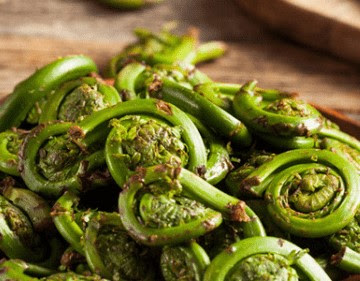
Fiddlehead greens
Fiddleheads are approximately 1 inch in diameter, have a smooth fern stem (not fuzzy), and also a deep “U”-shaped groove on the inside of the fern stem. Fiddleheads are sweet like asparagus, grassy and snappy like a great green bean, with a touch of broccoli stem. Fiddlehead health benefits include protecting from cancer, heart disease, and diabetes.
Nutritionally, fiddleheads contain omega-3 and omega-6 fatty acids and a number of other vitamins. They are high in vitamin A, which is a powerful antioxidant, and also vitamin C. They are also low in calories, fat, and cholesterol.
Fiddlehead ferns are high in antioxidants and essential fatty acids, which are often found in so-called "superfoods." They can be especially good for people who don't eat fish, which are also high in essential fatty acids.
Fiddleheads should never be eaten raw and should always be properly handled and thoroughly cooked. Fiddleheads have been linked to cases of severe food poisoning caused by what is believed to be some sort of toxin in the fiddleheads.
Fiddlehead greens
Wednesday, September 21, 2022
Root Vegetable Of Turnip: Main nutrients
Turnips have been cultivated for nearly 4,000 years; Pliny the Elder from ancient Rome called the turnip one of the most important vegetables of his time. About 2000 years ago, the Romans used turnips to remove wrinkles and also as a treatment for frostbite, gout, measles, and arthritis.
The Dutch colony of Pennsylvania make a coleslaw by using turnips, as well as one with cabbage. Turnips were first planted in America (in Virginia) in 1609. The greens were probably served at the first Thanksgiving.
Turnips are a rich source of mineral potassium, vitamin A, vitamin C and folate. 1 cup of cooked turnip contains 44% of the recommended daily value of vitamin C.
Like other cruciferous veggies, they contain at least a dozen important cancer-fighting phytochemicals compounds such as glucosinolates that can fight cancer cells from spreading. Another important element is sulforaphane which helps the liver detoxify carcinogens and many other antioxidants.
Turnips, like cabbage, can be pickled through the process of fermentation and fermented turnips are called "saueruben.”
Turnips are wonderful sautéed or steamed as a side dish together with garlic (or our garlic curls), onion, olive oil and lemon. Turnip can be added to soups, stews and pasta or can be sliced and sautéed for burritos, stir fries or with pasta.
Root Vegetable Of Turnip: Main nutrients
Friday, September 09, 2022
Green beans juice
Green beans are members of the common bean family, Phaseolus vulgaris, and are a popular part of diets around the world.
Beans are high in fiber, averaging around 5–8 grams per serving. They also have a very low glycemic index (GI). Low-GI foods raise blood sugar slowly, which is important for managing diabetes.
The legumes are full of antioxidants, including vitamin C, flavonols, quercetin, and kaemferol. These antioxidants fight free radicals in the body, which helps to reduce cell damage and may help to lower your risk of certain health conditions.
They are also high in carotenoids such as lutein, zeaxanthin and beta-carotene. In terms of minerals, green beans can be a good source of calcium, silicon, iron, manganese, potassium, and copper.
Green beans juice
Thursday, December 31, 2020
Curry leaves juice
Curry leaves (Murraya koenigii) belongs to family Rutaceae, is an aromatic, pubescent, deciduous shrub or small tree. Curry leave is found to be native mainly to India and Sri Lanka. Additionally, it can be found in some other South Asian countries as well.
The leaves have a slightly pungent, bitter and feebly acidic taste, and they retain their flavour and other qualities even after drying.
The fresh leaves are a good source of β-carotene. Curry leaves are a rich source of minor constituents, such as Ca, K, Mg, P, along with Fe, Mn, Se and Zn, in trace amounts.
Curry leaves play a pivotal role in the field of weight loss. The leaves when eaten raw or consumed as juice, serves as a detox drink to cleanse body from within, burn fat, reduce bad cholesterol and enhance digestion.
Fresh juice of curry leaves, with lime juice and sugar, is an effective medicine in the treatment of morning sickness, nausea and vomiting due to indigestion and excessive use of fats.
Cataract development can be prevented by using fresh juice of curry leaves. The oil of curry leave is reported to possess antibacterial, antifungal, hypolipidemic, anti-lipid peroxidative, hypoglycemic, antioxidant and anti-hypertensive properties.
Curry leaves contribute a strong promising action against cardiovascular disorders, hypertension and obesity.
Curry leave contains significant amount of phenolic and flavonoids compounds which are phytoconstituents responsible for lipid lowering and anti-obesity activities because of strong antioxidant potential.
Curry leaves juice
Thursday, August 06, 2020
Nutrient composition of pumpkin seeds
Pumpkin belongs to the genus Cucurbita and family Cucurbitaceae are grown widely around the world as a vegetable. In the USA, they are vastly used for Halloween carvings and thanksgiving feasts. Like other members of Cucurbitaceae, pumpkin fruits bear numerous seeds.
The seed content of pumpkin fruit varies from 3.52% to 4.27%. It has high nutritional value, provides good quality oil, and excellent source of protein and have pharmacological activities such as antidiabetic, antifungal, antibacterial and antiinflammation activities, and antioxidant effects. Pumpkin seeds have historically been used to produce oil, fortify breads, consumed as a snack or even for medicinal purposes.
Pumpkin seed is high in oil, protein, and total unsaturated fatty acids (TUFA) and provides an important source of nutrition and income globally. Researchers found that pumpkin seeds contained, 25.4% protein, 5.2 % moisture, 25.19% carbohydrates, 5.34% fibre, and 2.49% total ash.
The oil content ranged from 11 to 31 %. Total unsaturated fatty acid content ranged from 73 to 81 %. The predominance of linoleic, oleic, palmitic and stearic acids was observed. The α-tocopherol content of the oils ranged from 27 to 75 mg/g, while γ -tocopherol ranged from 75 to 493 mg/g.
The high levels of unsaturated fatty acids (oleic and linoleic acids) in pumpkin seed oil provide health benefits that reduce risks of arteriosclerosis and heart-related ailments. Pumpkin seed contains significant levels of antioxidants (tocopherols and tocotrienols) that have been associated with a reduced risk of gastric, breast, lung, and colorectal cancer.
Cold press or steam distillation is used for oil extraction. The dark greenish-red oil is used for cooking, as marinade or salad dressing and it has already been touted as a contender to olive oil. It is being used in many epicurean delights, viz. chocolate, cereal bar, bread, cake, muffin, soup, pesto, stew and pasta garnish. Pumpkin seed butter is considered as a great alternative to peanut butter. In addition, pumpkin seed oil can be purchased by the bottle for use in salads, or as formulated capsules in health food stores.
Nutrient composition of pumpkin seeds
Friday, October 06, 2017
Nutrients in cucumber
Fresh cucumbers have very high water content (95%), and they are low in calories (15 kcal per 100 g) and most other nutrients.
However, they are a fair source of vitamin including vitamin A, B6, K, E, B1, B2, B3 and vitamin C. Most of the vitamin A is in the rind. Key minerals include calcium, iron, magnesium, phosphorus, potassium, sodium, zinc copper and manganese.
Cucumber help to normalize heart rhythm, relegate blood pressure ensure proper function of nerves and muscles and maintain the body fluid balance.
They a good source of fiber and lend a lot of flavor and crunchy texture to recipes. Their sterol content may help prevent heart disease by lowering cholesterol.
Nutrients in cucumber
Thursday, April 21, 2016
Nutrients in carrot juice
Fresh vegetables juices are restores and builders. They boost the immune system, remove acid wastes and balance the metabolism.
Carrots juice – contain a rich source of vitamin A-like carotenoids, including beta carotene, the vitamin A precursor that helps fight cancer. These phytochemicals also have been shown to enhance the health of skin and repair it when it is damaged.
Carotene which gives the carrot juice orange color one of the antioxidants in today’s studies regarding cancer.
As a source of vitamin C, a glass of carrot juice also helps fight infection, heal wounds and boost calcium and iron absorption.
Carrot juice is also good source of vitamin B6, which reduces excretion of oxalic acid and helps prevent kidney stones from forming.
The fresh juice contains sufficient quantities of calcium to help build and maintain strong bones and healthy teeth.
Nutrients in carrot juice
Wednesday, November 11, 2015
Vegetable juice for skin disorder
Packed with antioxidants, vegetable juices can nourish human body and rejuvenate the skin. Drink a glass of mixed vegetable juice consisting of carrots, cucumber and beetroots or fruit juice consisting of oranges and sweet lime daily.
Beetroot juice acts as a good liver cleanser. A healthy liver is critical for a healthy skin. Many skin conditions trace back to liver problems. A mixed juice of carrots, beetroot and tomatoes is highly effective in improving liver and skin health.
Cucumber juice contains silicon, which can help strengthen hair and nails and improve skin conditions.
Vegetable juice for skin disorder
Wednesday, March 11, 2015
Bitter melon juice
Its juice is used in home medicine for tumors, diabetes, constipation, fever colic and many other maladies.
Bitter melon is a useful agent or treating infectious caused by retrovirus, and is being investigated as a source of chemicals that can be used to prevent the transmission of human immunodeficiency virus.
In Amazon, bitter melon juice or tea has been traditionally used to treat diarrhea, wounds, infections and parasites.
Bitter melon improves the body’s ability to use blood sugar and improves glucose tolerance. Animal study showed that bitter melon juice may cause a renewal and recovery of the insulin-producing beta cells of the pancreas.
Bitter melon is an excellent source of vitamin C, folic acid, zinc, potassium, and dietary fiber; a very good source of thiamin, riboflavin, vitamin E, magnesium and manganese and a good source of panthoithenicn acid and copper.
Ingestion of excessive amounts of bitter melon juice can cause abdominal pain and diarrhea. Anyone with hypoglycemia should not take bitter melon.
Bitter melon juice
Wednesday, November 26, 2014
Nutrients in spinach
One cup of uncooked spinach has only 15 calories. It is also a good fiber food and has some protein. Spinach has a nutritional value and is loaded with such antioxidants as vitamin A, C, E, K, B1 and B6, minerals like potassium, calcium and zinc and so much more.
Vitamin A activity is high, about 4,500 IU for that 1 cup. B vitamins are low except for folic acid, vitamin C content is good, and there is some vitamin E as well.
Potassium, magnesium and calcium are high and copper, manganese, and zinc are also present. Spinach is a natural source of iron, making it a low-calories source of iron that’s so important to pregnant, lactating or menstruating women. One cup of uncooked spinach has nearly 2 mg of iron.
And like broccoli and almonds, it’s a rich non-dairy source of calcium, almost 36% of daily requirement in a single cup. The combination of calcium and vitamin K promotes bone health and prevents osteoporosis.
Spinach also contains glycoglycerolipids and the study shows that glycoglycerolipids can help protect the intestines from mucosal injury caused by inflammation and antioxidant damage.
Flavonoids in spinach are thought to slow cognitive decline, meaning they may prevent the memory loss that often accompanies aging.
Nutrients in spinach
Monday, December 29, 2008
Vegetable Juice for Health
Taking vegetable juices is crucial as it has a lot of nutritional value. Vegetable juices are easy to take and are not at all time consuming. Just take some vegetable put in the juice mixer switch it on and you have a glass full of nutrition in your hands. You can take a glass of vegetable juice for breakfast and feel fresh through out the day.
The benefits of juices:
- The benefits of vegetable juices are many. It cleans your body. The toxins are washed away from the body when you drink the nutritional juice.
- You also have a clear and glowing skin as it gets hydrated.
- All types of vegetable juices give you a fresh feeling. You do not feel sluggish or lethargic. They give you a lot of energy and strength.
- Vegetable juices release you from the stress you undergo everyday. Drink juice as it works as an energy booster and each and every one of you require a lot of energy in your hectic schedule.
- There are many nutritional facts associated with vegetable juices. They are full of vitamins and minerals. If you require vitamin A you could take carrot juice and beet juice.
- Juices help you digest the food as they are rich in enzymes.
- Most of the juices are tasty to drink. It is good to drink rather than eat nothing at all.
- If you are hungry and require energy and at the same time have to work and cannot afford to sleep after eating a lot then you better take a vegetable juice. They are filling and at the same time give you energy and make you feel fresh.
There are a variety of vegetable juices you can drink. It is always good to drink pure juice. Fresh and pure juices give you all the minerals and vitamins required by the body. Taking juices is healthy.
Taking vegetable juice is even healthier and essential for all of us as it provide all the nutrients our body requires. At times you are unable to eat more vegetables as a whole. But when you have vegetable juice you tend to have more vegetables in that glass full of nutrition. Above that the vegetable juice has less of insulin in it. It has fewer calories than the fruit juice. So if you are weight conscious you can always take vegetable juice.
The vegetable juice also works as an appetizer. When you have vegetable juice you are able to eat better. You can have a variety of juices such as juice from green leafy vegetables, carrot, cucumber, fennel, cabbage, kale and other vegetables too. These juices help you maintain weight as they are less in calorie and yet filling. Juicing for health and healing is essential for everyone. Drink whenever you can for health as we all know health is wealth.
Vegetable Juice for Health
Tuesday, October 21, 2008
Cucumber Juice
Cucumber JuiceCucumber Juice is one of the nest known diuretics. It is good for the spleen, stomach, and large intestine. It is a blood cleanser and as such is good in the treatment of acne. The juice contains an abundance of potassium, which can help regulate blood pressure. It was once thought that the level of sodium in the body was the key to normal blood pressure; however, it is now known that is a correct balance between the levels of sodium and potassium that is important.
Being low in calories and high in fiber and nutrients, cucumbers are recommended part of any weight loss dietary regimen. Cucumbers are especially rich in potassium, which exerts a diuretic effect in cases of dropsy and edema.
Cucumber Juice
Wednesday, September 17, 2008
Beets
Beets Processing
Beets require 50 – 70 days from planting to harvesting. They are harvesting by machine and brought to the processing plant in hoppers or trucks. Generally they are not cooled prior to processing. Beets are canned but are not frozen.
At the canning plant, the tops are cut off by machine, after which the roots are held for several days to allow the skin to wilt, thereby loosening it. The beets are then graded for size by machine. After sizing, the beets are washed with sprays of water or in a soaking tank, and are then peeled. Beets are peeled by steaming at 220 degree F for about 20 min. after which the skin is removed. The peeled beets are then trimmed. Small beets are canned whole while the larger beets are sliced prior to filling into cans.The cans, to which beets have added to a point about 3/8 in. from the tops, are then filled with a weak salt solution. The cans are then sealed and heat processed.
Beets sold in the fresh sate are washed, but usually not topped. They should be cooled to 32 – 35 degree F and held in this manner until sold to the consumer. In this edition, they have storage life of 10 – 14 days. When topped and cooled to 32 degree F they may be held for 3 – 5 months.
Beets Juice and Health Benefits
Beet juice is among the most valuable healing juices available. Beets and beet tops contain a form of iron that is readily absorbed into the blood, nourishing and toning it and building red blood cells. Beet juice is helpful in the treatment of menstrual irregularities as well as the symptoms of menopause. It helps to strengthen the immune system and detoxify the kidneys, liver and gallbladder. It also is useful in treating anemia and liver disorders.
Beet juice is best combined with other vegetable juices to buffer its powerful cleansing action, which can cause nausea and dizziness because it releases nutrients very quickly. Also its strong, earthy taste is more palatable if it is combined with other juices. A combination of 3 ounces each of beet and cabbage juice mixed with 10 ounces of carrot juice furnishes the body with a good balance of nutrients necessary for all physiological functions.
Beets
Friday, September 05, 2008
Parsley Juice
Parsley JuiceThe value of fresh parsley juice lies in it content of chlorophyll, vitamins (especially A and C), and minerals such as calcium magnesium, phosphorus, potassium, sodium and sulfur.
Aside from being nutritionally potent, parsley juice is a top notch blood and body cleanser. It is especially helpful in cleansing the kidneys, liver, and urinary tract, due to its mix of vitamin, minerals, and chlorophyll. An excellent source of pro-vitamin A, parsley juice provides nutrients important to good eyesight. Its supplies of chlorophyll stimulate oxygen metabolism as well as cell respiration and regeneration.
Like the juice made from wheatgrass or beets, parsley juice is very concentrated and is therefore best mixed with other vegetable and green juices. One ounces of parsley juice mixed with seven ounces of another juice or blend of juices is plenty.
Parsley Juice
Most popular articles
-
Spinach juice has emerged as a promising addition to the diet of diabetic individuals due to its various health benefits. Unlike high-sugar ...
-
Centella asiatica, known by many names such as Indian pennywort, Asiatic pennywort, spadeleaf, coinwort, and gotu kola, is a small herbaceou...
-
Carrot juice supplies fluid to the body to combat dehydration. It also replenished sodium, potassium, phosphorus, calcium, sulphur and magne...
-
Cabbage Juice and its Value When raw cabbage juice is added to raw carrot juice it forms an excellent source of vitamin C as a cleansing med...
-
Celery has some general anti-diabetogenic affects as well as being helpful for people with high blood pressure. The minerals contained inj ...
Other articles
-
Thermization: A Gentle Heat Treatment for Preserving Raw Milk - Thermization is a mild heat treatment used in the dairy industry to improve the quality and storage life of raw milk before further processing. Unlike pa...
-
The History and Evolution of Tea in the United States - Tea first arrived in the United States in the 1600s, brought by European settlers who introduced the beverage to the American colonies. By the 18th century...