Showing posts with label antioxidants. Show all posts

Sunday, January 18, 2026

Health Benefits of Betacyanins: More Than Just Plant Pigments

Betacyanins are vibrant red and purple pigments found largely in plants within the Amaranthaceae family and throughout the order Caryophyllales. As water-soluble members of the betalain group—which also includes the yellow-hued betaxanthins—they contribute to the striking colors seen in foods such as beets, Swiss chard, prickly pear, and various amaranth species. Beyond their visual appeal, betacyanins have gained increasing scientific attention for their wide-ranging health benefits, making them valuable not just as natural colorants but also as functional dietary components.

Beetroot remains the most recognized source of betacyanins, particularly the compound betanin, responsible for the deep red color characteristic of beet-based foods and juices. More importantly, betanin and related pigments function as potent antioxidants. They help neutralize free radicals—unstable molecules that contribute to cellular damage and disease development. Growing evidence links this antioxidant capacity to lower risks of chronic conditions such as cardiovascular disease, certain cancers, and neurodegenerative disorders. A 2023 study further underscored these benefits by demonstrating that betacyanins effectively reduce oxidative stress markers in human tissues, reinforcing their importance in maintaining cellular health.

In addition to antioxidant activity, betacyanins exhibit notable anti-inflammatory properties. Chronic inflammation plays a central role in diseases like arthritis, diabetes, and metabolic syndrome, and dietary sources of natural anti-inflammatory compounds can aid in reducing long-term risk. Betacyanin-rich foods have also shown promising results in supporting vascular health. Clinical research indicates that regular consumption of beetroot or similar foods can decrease blood pressure, improve blood vessel flexibility, and enhance endothelial function. A recent meta-analysis of dietary interventions reported consistent improvements in blood pressure regulation among individuals who consumed beetroot regularly, suggesting a beneficial role for betacyanins in heart health.

Emerging research also highlights the potential hepatoprotective properties of these pigments. Betacyanins appear to support liver function by enhancing the activity of antioxidant enzymes and shielding liver cells from damage caused by toxins or excess fat accumulation. This has sparked interest in their possible use as complementary dietary components for liver health management.

Finally, scientists are exploring the neuroprotective abilities of betacyanins. Early studies suggest these pigments may reduce oxidative damage in brain cells, potentially slowing cognitive decline and offering new possibilities for the prevention or management of conditions such as Alzheimer’s disease.

Overall, betacyanins are far more than colorful plant pigments—they are biologically active compounds with meaningful health effects. Incorporating foods like beetroot, Swiss chard, and other betalain-rich plants into everyday meals can contribute to overall well-being and help protect against a variety of chronic health issues.
Health Benefits of Betacyanins: More Than Just Plant Pigments

Monday, January 22, 2024

Juicing for Health Boost

In recent times, the popularity of juicing has surged among health-conscious individuals seeking a convenient way to enhance their nutrient intake swiftly. Juices made from fruits or vegetables are commonly recognized for their abundant antioxidants. Green juices, incorporating ingredients like spinach, kale, or cucumbers, as well as blends featuring mixed berries, beets, or pomegranates, have become particularly favored.

The rising appeal of antioxidants in fruit and vegetable juices can be attributed to their potential health advantages. Presently, juice blends containing berries are frequently chosen by consumers due to their nutritional value and rich content of bioactive compounds.

Antioxidants play a crucial role in regulating inflammation and shielding cells from oxidative damage. Consequently, regularly incorporating a variety of antioxidants into one's diet may provide protection against various chronic conditions, including specific types of cancer, type 2 diabetes, and heart disease.

Vegetables such as kale, spinach, cucumbers, and celery are commonly recommended for juicing because of their low-calorie content and high nutrient density. These vegetables are loaded with vitamins, minerals, and antioxidants that can contribute to weight loss and overall well-being.

For instance, raw kale stands out for its exceptional antioxidant content, including beta-carotene. Antioxidants function to neutralize harmful molecules known as free radicals, thereby aiding in the prevention of conditions like heart disease.

Indeed, studies have indicated that the consumption of kale juice can reduce risk factors associated with heart disease, including levels of LDL (bad) cholesterol.
Juicing for Health Boost

Friday, June 17, 2022

Antioxidants and oxidative stress

Antioxidants are compounds in foods that scavenge and neutralise free radicals. Diets high in vegetables and also fruits, which are good sources of antioxidants, have been found to be healthy.

The sources of antioxidants can be natural or artificial. Certain plant-based foods are thought to be rich in antioxidants. Plant-based antioxidants are a kind of phytonutrient, or plant-based nutrient.

Antioxidants are said to help neutralize free radicals in human bodies, and this is thought to boost overall health. Three of the major antioxidant vitamins are beta-carotene, vitamin C, and vitamin E. They can be found in colorful fruits and vegetables, especially those with purple, blue, red, orange, and yellow hues.

Other naturally occurring antioxidants include flavonoids, tannins, phenols, lignans and carotenoids, such as beta-carotene, lycopene, lutein, and zeaxanthin.

Free radicals are compounds that can cause harm if their levels become too high in human body. They are produced when human body breaks down food or when exposed to tobacco smoke or radiation.

If free radicals overwhelm the body's ability to regulate them, a condition known as oxidative stress ensues. Free radicals thus adversely alter lipids, proteins, and DNA and trigger a number of human diseases.

Damage to cell DNA increases risk of cancer, and some scientists have theorized that it plays a pivotal role in the aging process. Oxidative stress has been linked to heart disease, cancer, arthritis, stroke, respiratory diseases, immune deficiency, emphysema, Parkinson’s disease, and other inflammatory or ischemic conditions.

Vegetables are high in antioxidants are also typically high in fiber, low in saturated fat and cholesterol, and good sources of vitamins and minerals. Some good choices of vegetables include cabbage, spinach, and eggplant. They’re also found in green tea, black tea, red wine and dark chocolate.
Antioxidants and oxidative stress

Tuesday, March 15, 2022

Allicin in cauliflower

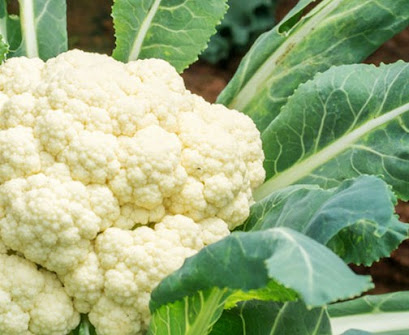
Cauliflower is a part of the cruciferous vegetable family (other members include broccoli, kale and cabbage). Cauliflower contains the compound allicin, which helps reduce the risk of stroke and improves heart health. It helps in maintaining the heart and the cardiovascular system. Allicin also helps detoxify and eliminate harmful chemicals in the blood and liver.

These effects may be due to allicin’s anti-inflammatory properties and its possible ability to prevent programmed cell death (apoptosis).

The compound also is one of the main active components of garlic and what gives it its distinct taste and scent. An enzyme called alliinase is activated when the clove is chopped or crushed. This enzyme converts alliin into allicin.

Allicin (diallylthiosulfinate) is a defense molecule with a broad range of biological activities. Allicin reacts with thiol groups and can inactivate essential enzymes. However, allicin is unstable at room temperature and antimicrobial activity is lost within minutes upon heating to >80 °C.

The majority of allicin's effects are believed to be mediated via redox-dependent mechanisms. In sub-lethal concentrations, allicin has a variety of health-promoting properties. It may also protect against blood vessel damage by helping to lower body:
*Blood sugar
*Blood pressure
*Cholesterol

Some studies have also found that allicin may help body muscles recover faster after work out.
Allicin in cauliflower

Monday, November 23, 2020

Polyphenol in vegetable and dementia

The greatest risk factor for neurodegeneration is aging. It involves deterioration of biological functions, especially brain and cognitive functions. Dementia is predominantly a disease of aging with millions of people suffering from dementia and Alzheimer's disease.

Dementia is a multifactorial disease, linked to aging, environmental impacts and is different in each patient. In the elderly population, the susceptibility to oxidative damage is especially increased in the brain.

According to a study published in Neurology (May 29, 2018), a diet containing polyphenol-rich foods including vegetable may reduce the risk for dementia in patients aged ≥65 years.

Polyphenols are widely distributed in vegetables, also in fruits and other dietary sources such as nuts, whole grains, olive oil, and infused beverages such as tea. It is generally accepted that most polyphenols are potent antioxidants and may also possess anti-inflammatory properties.

A study by Hartman (Neurobiol Dis. 2006) found that when given as supplements to a group of mice, pomegranates, which are very rich in polyphenols, reduced the risk for AD of about 50%, compared with the mice control group.

Flavonoids such as quercetin and kaempferol, which are present in onions, leeks or broccoli. Flavones can be found in high concentrations in parsley or celery, while isoflavones are major polyphenols of soy.
Polyphenol in vegetable and dementia


Wednesday, September 09, 2020

Antioxidants in sugarcane juice

Sugarcane (Saccharum officinarum L.) juice is widely consumed by people of the tropics and subtropics.

The objective of sugarcane harvest is to produce sugarcane stalks with the highest possible sucrose content, ranging from 10 to 15% of the weight of stalks. Most sucrose is stored in the inner portion of the stalks while majority of valuable sugarcane extracts, including antioxidants, concentrate in the outer component (rind fraction) of the stalks.

Sugarcane juice also contains high levels of antioxidants like flavonoids and polyphenolic compounds, which can help reduce oxidative stress and improve human overall health.

Pigments in sugarcane juice are mainly phenolic compounds. The main compounds phenolic composition in sugarcane and its products were phenylpropanoids and flavonoids.

Study on sugarcane extract has displayed a wide range of biological effects including immunostimulation, anti-thrombosis activity, anti-inflammatory activity, vaccine adjuvant, modulation of acetylcholine release and anti-stress effects. Sugarcane juice has broad biological effects in raising innate immunity to infections.

There are thirteen antioxidant compounds have been identified, including several glycosylated phenolic compounds in kokuto (brown sugar of sugar cane in Japan). Some identified compounds exhibited higher antioxidant activity than αtocopherol.

Study indicate that the sugarcane juice of different varieties was effective in giving antioxidant protection at various levels, inhibition of radical formation (by reducing iron complexes), radical scavenging at both primary and secondary stages, and in membrane protection (as assayed by lipid peroxidation). The mechanism involved in many human diseases such as hepatotoxicoties, hepatocarcinogenesis, diabetes, malaria, acute myocardial infarcation, skin cancer includes lipid peroxidation as a main source of membrane damage.
Antioxidants in sugarcane juice

Monday, August 24, 2020

Vegetable juice can lower incidence of cardiovascular disease

Dietary factors play an important role in the development and progression of cardiovascular disease, and dietary optimization must be considered an important lifestyle intervention for the management of existing cardiovascular disease and its prevention. Thousands of biologically active phytochemicals have been identified in plant foods, eg, grains, nuts, legumes, vegetables, and fruit. Of these plant food groups; vegetables and fruit are the most botanically diverse.

Vegetable juices show a very complex composition with several hundred substances vegetable juices are characterized by a large number of secondary plant metabolites (also known as “phytochemicals”). The two most prominent groups are the polyphenols including the colorful anthocyanins, and the carotenoids.

Drinking vegetable juices is very popular in many countries, and also an efficient way to improve consumption of vegetables. The studies showed that vegetable juices affect cardiovascular risk factors, such as lowering blood pressure and improving blood lipid profiles. Cardiovascular disease is the leading cause of death in the United States. Many risk factors for cardiovascular disease, including high blood cholesterol, hypertension, obesity, and diabetes are substantially influenced by dietary factors.

The main mechanisms of action included antioxidant effects, improvement of the aspects of the cardiovascular system, inhibition of platelet aggregation, anti-inflammatory effects, and prevention of hyperhomocysteinemia.

The protective mechanisms of vegetables may include some of the known bioactive nutrient effects dependent on their antioxidant, anti-inflammatory and electrolyte properties, but also include their functional properties, such as low glycemic load and energy density. Taken together, the totality of the evidence accumulated so far does appear to support the notion that increased intake of vegetables may reduce cardiovascular risk. It is clear that vegetables should be eaten as part of a balanced diet, as a source of vitamins, fiber, minerals and phytochemicals.

Oxidative damage can result when the critical balance between free radical generation and antioxidant defenses is unfavorable. It has been hypothesized to play a key role in cardiovascular disease and other diseases. The antioxidant defense system has both enzymatic and nonenzymatic components that prevent radical formation, remove radicals before damage can occur, repair oxidative damage, eliminate damaged molecules, and prevent mutations. Several of the antioxidant enzymes are metalloenzymes, which contain trace minerals for which vegetables and fruit are significant sources.
Vegetable juice can lower incidence of cardiovascular disease

Monday, November 25, 2019

Health benefits of raw spinach juice

Spinach is one of the most important and nutritious vegetable eaten raw or cooked it provides a very good amount of vitamins B6, riboflavin, folate, niacin, soluble dietary fiber, omega 3-fatty acid and minerals. Spinach is also rich with iron; its use prevents from some of diseases like osteoporosis, anaemia results of iron deficiency.

The phytochemicals of most importance are the carotenoids, β-carotene, lutein and zeaxanthin and phenolic compounds and they have antioxidative action when spinach is consumed these all components together controls the effect of free radical to reduce their harmful effect.

Spinach is an excellent source of beta-carotene. Human bodies use beta-carotene to make vitamin A. Vitamin A is important for vision, immune function, and skin and bone health.

Spinach contains Vitamin K is a group of compounds. The most important of these compounds appears to be vitamin K1 and vitamin K2.

Antioxidant activity is important as many chronic diseases and health issues associated with ageing are believed to result from excessive oxidative stress.

One of the major health benefits attributed to two major compounds in spinach, lutein and zeaxanthin, is that of protecting against eye diseases such as macular degeneration (gradual loss of central vision, associated with old age).

Spinach is high in insoluble fiber, which may boost your health in several ways. It adds bulk to stool as food passes through your digestive system. This may help prevent constipation.
Health benefits of raw spinach juice

Friday, November 15, 2019

Potential health benefits of capsicum juice

Due its high content of vitamin C (ascorbic acid), pro-vitamin A (carotene) and calcium, capsicum is one of the most consumed vegetable worldwide.

The juice of capsicum is a very healthy juice. It is perfect to have in the morning as a juice or smoothie. They have anti-cancer properties and boost the immune system.

Capsicum juice (red pepper) are one of the best sources of three cancer-fighting carotenoids: lutein, beta-cryptoxanthin and zeaxanthin. And they’re great for the skin and also reduce swelling due to arthritis because of the high silicon content.

Red sweet pepper (Capsicum annuum L.) is a vegetable known for its rich antioxidant content. Fresh sweet peppers have exceptionally high ascorbic acid, a 100 g serving supplying 100% of the current RDA of 60 mg/ day. Antioxidants protect the food or body from oxidative damage induced by free radicals and reactive oxygen species by
*suppressing their formation;
*acting as scavengers; and
*acting as their substrate.

Capsicum is most commonly used for rheumatoid arthritis, osteoarthritis, and other painful conditions. It is also used for digestion problems, conditions of the heart and blood vessels, and many other conditions
Potential health benefits of capsicum juice

Tuesday, April 10, 2018

Anthocyanins

Anthocyanins are the largest group of water-soluble pigments in the plant kingdom and belong to the family of compounds known as flavonoids that are synthesized by plants as part of their secondary metabolism. Based on their chemical characteristics, flavonoids are divided into different subclasses: flavonols, flavanols, anthocyanidins, flavanones, flavones and isoflavones.

Anthocyanins are colored water-soluble pigments belonging to the phenolic group. They occur primarily as glycosides or acylglycosides of their respective aglycone anthocyanidins. These pigments, naturally present in fruits and vegetables, provide color and promote health benefits to consumers due to their antioxidant capacity.

The different anthocyanin conjugates absorb light at about 500 nm and are responsible for the red, blue and purple color of fruits and vegetables.

Among the anthocyanin pigments, cyanidin-3-glucoside is the major anthocyanin found in most of the plants. The colored anthocyanin pigments have been traditionally used as a natural food colorant. The color and stability of these pigments are influenced by pH, light, temperature, and structure.

Anthocyanins have important functions in plant physiology. They are believed to play a major role in both pollination and seed dispersal. Anthocyanins have been shown to be strong antioxidants and may exert a wide range of health benefits through antioxidant or other mechanisms. Several studies have shown that anthocyanins display a wide range of biological activities including antioxidant, anti-inflammatory, antimicrobial and anti-carcinogenic activities.
Anthocyanins

Wednesday, February 14, 2018

Antioxidants content in fruits and vegetables

There is strong supporting epidemiological evidence and a plausible scientific rationale for increasing intake of antioxidants from food as an effective means of prolong healthy life. Higher intake of fruits and vegetables can achieve this.

The benefits of consuming generous servings of fruits and vegetables on a daily basis have been clearly established.

Fruits and vegetables significantly increase blood levels of antioxidant vitamins (beta –carotene and vitamins C and E) and folate and reduce the level of homcysteine as well as reduce concentrations of various markers that are elevated during oxidative stress, such as malondialdehyde (a marker of lipid peroxidation) and 8-hydroxyguanosine (a marker of DNA oxidation).
Antioxidants help protect against free radicals. No matter how healthy a lifestyle human live, they are still exposed to free radicals from air, water and food pollutants. They also can be produced from infection and inflammation.

Free radicals are formed in one-electron reactions by transition metals, ionizing radiation or endogenous enzymes such as xanthine oxidase and nitric oxide synthase.

Fruits and vegetables contain many natural primary (scavenging) or secondary (chelating) antioxidants that might directly prevent radical-induced damage to cellular structures including DNA.
Antioxidants content in fruits and vegetables

Tuesday, October 31, 2017

Vitamins content in cucumber

Cucumbers belong to a plant family Cucurbitaceae which is a plant family commonly known as melons, gourds or cucurbits and includes crops like cucumbers, squashes (including) pumpkin, luffas, melons and watermelons.

The skin contains vitamin A mostly in the skin, which is usually peeled in fresh cucumbers. Vitamin A serves as one of the many antioxidants. It protects human body from free radicals which helps lower the risk of various illnesses due to damaged cells and cancer.
Other key vitamins in cucumbers include vitamin C, vitamin B6, vitamin K, vitamin E, vitamin B1 (thiamine), vitamin B2 (riboflavin), vitamin B3 (niacin), panthotenic aicd (B5) and small amount of folate.

Multiple B vitamin in cucumber, vitamin B1, vitamin B5 and vitamin B7 are well known to help relieve anxiety feelings and also buffer some of the damaging effects of stress.

The high amount of fluid content, vitamin C and also caffeic acid and other antioxidants in cucumber makes it an important ingredient in many beauty creams for treating eczema, psoriasis, acne, sunburn etc.
Vitamins content in cucumber

Friday, April 21, 2017

Health benefits of barley grass juice

Barley Grass Juice is rich in calcium, iron, phosphorus, potassium, sulfur zinc, and superoxide dismutase (SOD), a powerful antioxidant enzyme.

The Egyptian of antiquity are said to already have been familiar with barley grass as a food supplement and restorative. The Indians of North America used barley grass both externally and internally for healing purposes.

Green barley juice can be used to treat many ailments, including hepatitis cardiovascular disease, asthma, gastrointestinal disorders and possibly cancer.
Research also suggests that barley grass extract can relieve other conditions including arthritis, skin problems, obesity anemia, constipation, ulcers, impotence, high blood pressure, diabetes, and kidney problems.

It has been suggested that barley juice extract can promote the cell’s ability to offset aging and prevent cancer. The powerful antioxidant in barley grass juice has been discovered which is called 2’’-0-GIV. This new isoflavonoid is both soluble in water and fats and is highly stable. This means it is capable of permeating both the fat and aqueous cell membranes in order to fully protect the cell from the damaging effects of oxidation.

Barley leaves may act as effective chemo-preventive agents and the proteins in barley grass can help remedy pancreatitis, stomach problems, dermatitis, inflammation in the area cavity and lacerations of the stomach and duodenum.
Health benefits of barley grass juice

Wednesday, December 28, 2016

Health benefits of cauliflower juice

Cauliflower juice contains compounds that helps inhibit the growth of breast cancer cells, protects against prostate cancer, and stimulates the body’s detox systems. These compounds appear to stop enzymes from activating cancer-causing agents in the body, and they increase the activity of enzymes that disable and eliminate carcinogens.

Cauliflower contains the compound allicin, which helps reduce the risk of stroke and improves heart health. It helps in maintaining the heart and the cardiovascular system.

Allicin also helps detoxify and eliminate harmful chemicals in the blood and liver.

This vegetable also lowers cholesterol levels due to being rich source of fiber. Cauliflower also contains antioxidants and they act as an anti-inflammatory agent and they help build a healthy immune system.

 Calcium in cauliflower helps to make human bones and teeth strong along with many other important functions like transmission of nerve impulses.
Health benefits of cauliflower juice

Friday, April 25, 2014

Vegetable juice to prevent cancer

Plant based diets have been shown in hundreds of studies to be effective against agents that promote cancer. According to the American National Cancer Institute about one-third of all types of cancers are linked to diet.

Antioxidants, including vitamins, can eradicate carcinogens and can even repair some of the cellular damage caused by them.

Vegetable and vegetable juices are an important part of an overall cancer-treatment plan. Juicing provides and easy and effective way to dramatically increase intake of concern fighting phytochemicals.

The juice of red beet possesses anticancer property and is thus considered beneficial in the prevention and treatment of cancer.

The juice stimulates the liver and its detoxifying activity is of great value in treating cancer.

Pineapple juice also makes a good juice for the cancer patients.

The juice extracted from carrot also is found highly beneficial in the prevention and treatment of cancer. 

Many studies showed that people whose diets are rich in vegetables and also fruits have a lower frisk of getting many cancers including lung, mouth, pharynx, esophagus, stomach, colon and rectum.

They are also less likely to get cancers of the breast, pancreas, larynx and bladder.
Vegetable juice to prevent cancer

Monday, March 17, 2014

Antioxidant in vegetable juice

It is hard to believe that once upon a time, the only choices of juice in supermarkets were orange, grapefruit, grape and cranberry.

Now there is an apparently infinite assortment of not only juices, but also blended fruit and vegetables juices.

Green leafy vegetables offer a cheap but rich source of a number of micronutrients and other phytochemicals having antioxidant properties.

Antioxidant can neutralize free radicals, which cause oxidative damage to biological molecules, especially to lipids, proteins and nucleic acids. Vitamins A, C and E, carotenoids and polyphenol are the major antioxidant compounds of fruits and vegetable.

Significant vegetable sources of antioxidants in direct human consumption and in the form of products such as vegetable juices include tomatoes, celery, parsley, onions, carrots, red peppers and beets.

Lettuce may provide relatively low levels of antioxidative phytochemicals that contribute to human health, but lettuce leaf extracts do contain compounds with high specific peroxyl radical scavenging activities.
Antioxidant in vegetable juice

Most popular articles

Other articles

BannerFans.com BannerFans.com